
"growing beans"
40000 article(s) found

Guatemala Inchter Estate Coffee Bean Varieties Growing Environment Flavor Description Taste Introduction
Guatemala Inchter Estate Coffee Bean Variety Growing Environment Flavor Description Taste Introduction Vivetnam fruit growing area is located in the northwest highlands of Guatemala, planting altitude of 1800-2100 meters, is the country's highest coffee growing area, known for producing excellent quality beans. Due to the numerous rivers and lakes in Guatemala, the Vivitenango region is rich in mountains and water resources and has a dry climate

Brazilian Minas Gerais Coffee Bean Story is Brazilian Minas Gerais Coffee beans delicious?
The best coffee is grown in Minas Gerais for three reasons: all coffee at high altitude grows in the tropics, but the overall quality and taste of coffee are determined by the altitude at which it grows. The higher the altitude, the harder and denser the coffee beans are, and the better they taste.

Talk about the basic knowledge of growing fine coffee
Coffee is now widely grown in the ribbon between the Tropic of Cancer. Coffee grown in different regions has different flavors. The unique soil, climatic conditions and planting methods of a country make the coffee produced in that country have a unique flavor. French winemakers call this phenomenon regional style. Geographically, there are three global coffee growing areas

Heilongjiang "Coffee" goes to South America to grow Coffee beans: to build Chinese Coffee Brand
Chinanews.com, Harbin, Feb. 22 (Shi Yifu)-on the 22nd, the Heilongjiang Coffee Industry and Communication Alliance announced that the alliance decided that six of its member units would go to Argentina to grow coffee beans, and then make use of Brazilian baking technology to create their own coffee brands that are sold back to China. In the past three years, Harbin, the capital of northern Xinjiang, has settled in more than 400 cafes of all kinds, and the coffee has disappeared every month.

Brazilian coffee bean producing areas introduce Minas boutique coffee bean flavor characteristics information Brazilian coffee culture
Professional coffee knowledge exchange for more information about coffee beans, please follow the coffee workshop (Wechat official account cafe_style). They are classified according to the state of origin and the port of transport. Brazil has 21 states and 17 states produce coffee, but seven of them produce the most, accounting for 98% of the country's total output. The terrain of Brazil is mainly divided into two parts, one of which is above 500 meters above sea level.

The growing area of Sidamo, Ethiopia, the wind of Ethiopia.
Professional coffee knowledge exchange more coffee bean information please follow the coffee workshop (Wechat official account cafe_style) Ethiopia Sidamo Coffee Farm Sidamo Coffee grows in Sidamo province on the Ethiopian plateau, ranging from 1500 meters to 2200 meters above sea level. These elevations make coffee beans meet the strict growth (SHG) / strict hard beans (SHB) standards in these elevations, Ethiopia.

Heilongjiang "Coffee" goes to South America to grow Coffee beans: to build Chinese Coffee Brand
Chinanews.com, Harbin, Feb. 22 (Shi Yifu)-on the 22nd, the Heilongjiang Coffee Industry and Communication Alliance announced that the alliance decided that six of its member units would go to Argentina to grow coffee beans, and then make use of Brazilian baking technology to create their own coffee brands that are sold back to China. In the past three years, Harbin, the capital of northern Xinjiang, has settled in more than 400 cafes of all kinds, and the coffee has disappeared every month.

7 Xunweng self-taught to grow A-grade coffee beans
Tseng Liang-hsiung, who retired from a telecommunications engineering unit at the age of 70, grew coffee in 5% of Arabica seven years ago in his hometown of Zhuzai Mountain in Puli, Nantou. He continued to study and improve cultivation techniques, and became a "zero-return" urban farmer. Last year, when he participated in the evaluation of fine coffee in Central China, he won the "second prize" and won the honor of "A coffee is unusual". Referring to the story of growing coffee, Zeng Liangxiong said briskly.

How to grow high-quality coffee bean seeds? What are the planting conditions that affect the growth of coffee beans?
Professional coffee knowledge exchange more coffee bean information please pay attention to the coffee workshop (Wechat official account cafe_style) how to grow high-quality coffee bean seeds? What are the planting conditions that affect the growth of coffee beans? Coffee beans are generally graded according to their size, defect rate and altitude. The size and defect rate of raw beans are easy to understand, and many people do not quite understand why some producing areas

Chinese Coffee trees planted in Foshan
This is the first time I have heard that Foshan can also grow coffee, and the dream of growing coffee has come true in the 74-year-old Feng family. Lao Feng, who came from farming, began to grow coffee under the guidance of his son Feng Shilin, but now he no longer works in the fields, and planting coffee trees has become his playmate after he entered his old age. He grows his own coffee, grinds coffee beans and invites neighbors to drink home-grown coffee drinks. Today, a reporter

Ecuadorian coffee producing area Ecuadorian coffee beans are good? is Ecuadorian hand coffee good?
For more information on coffee beans, please follow the Coffee Workshop (official Wechat account cafe_style) everything you need to know about the Ecuadorian coffee industry Ecuadorians grow coffee not only in the Andes, but also on the coast, in the low-lying Amazon basin, and even on small plots of land in the Galapagos Islands. With coffee roasters all over the United States
Coffee Basics The effect of altitude on coffee flavor
The impact of location on coffee bean flavor is profound. All coffee is grown in the tropics, and the altitude at which it is grown has a profound effect on the taste of coffee. The equatorial regions of the tropical belt, which extends from 30 degrees north latitude to the southern mountains, produce the world's truly premium Arabica coffee. Central and South America, South Asia and some Pacific islands, South Central Africa is also the world's most important

What kind of environmental conditions do you need to grow coffee trees? how much is the Alishan mocha coffee?
The origin of the coffee tree is Ethiopia in Africa. In botany, coffee trees belong to the evergreen trees of the subgenus Rubiaceae, and coffee beans, commonly known as coffee beans, are the seeds of the fruit of coffee trees, just because they are shaped like beans, so they are called coffee beans. Climate is the decisive factor for coffee cultivation. Coffee trees are only suitable for growing in the tropics or subtropics, so latitude 25 is south and north.
Boutique Coffee the History of growing Coffee
In fact, the Arabs began to grow coffee in 525 BC, and chewing fried coffee beans became popular in the Arab region. In 890 AD, Arab merchants sold coffee beans to Yemen, and Yemenis made coffee beans into drinks for the first time. In the 15th century, coffee was introduced into Europe, Asia and soon into America. By the 18th century, tropical and subtropical regions around the world were widespread.

An introduction to the estates of Ethiopian coffee-producing areas with the natural conditions for growing coffee
Sustainable coffee culture Ethiopian coffee beans grow in close to the natural environment, after years of planting under the same growth conditions, Ethiopian coffee beans have gradually adapted to the environment here. More than 60% of coffee beans are grown in forests or semi-forests. The villages that grow coffee in large areas account for about the total amount of coffee produced in the country.
Learn about the history of growing coffee
In fact, the Arabs began to grow coffee in 525 BC, and chewing fried coffee beans became popular in the Arab region. In 890 AD, Arab merchants sold coffee beans to Yemen, and Yemenis made coffee beans into drinks for the first time. In the 15th century, coffee was introduced into Europe, Asia and soon into America. By the 18th century, tropical and subtropical regions around the world were widespread.
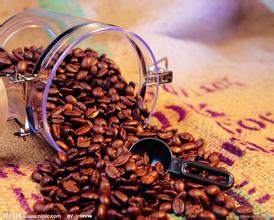
Costa Rican coffee plantations Costa Rican coffee growing areas
Full-bodied particles, ideal acidity, unique and intense aroma. Tarrazu, Costa Rica, is one of the world's leading coffee producers, producing coffee with a light, pure flavor and pleasant aroma. Costa Rica's volcanic soils are fertile and well drained, making it the first country in Central America to grow coffee and bananas for commercial value. Coffee and bananas are the country's staple foods.

Costa Rican coffee plantations Costa Rican coffee growing areas
Full-bodied particles, ideal acidity, unique and intense aroma. Tarrazu, Costa Rica, is one of the world's leading coffee producers, producing coffee with a light, pure flavor and pleasant aroma. Costa Rica's volcanic soils are fertile and well drained, making it the first country in Central America to grow coffee and bananas for commercial value. Coffee and bananas are the country's staple foods.

The price of G7 coffee, a historical brand growing coffee beans in Vietnam.
Nhan, a historic coffee brand that grows coffee beans in Vietnam, graduated in 1967 and then returned to Vietnam to start working at Nghe's PhuQuy Rainforest Agricultural Research Station (PhuQuayTropicalCropResearchStation). The Tropical Rainforest Agricultural Research Station is a research institution under the Department of Agriculture, and they then worked with the Vietnamese government to figure out how to rebuild the war-hit Vietnam.

The flavor and taste characteristics of Costa Rican coffee beans and its growing environment music series Beethoven
With the popularity of boutique coffee in Costa Rica, coffee from Costa Rica has been well received in the domestic single-product coffee bean consumption market. With strong aroma, bright acidity and high comprehensive quality, he once became one of the famous representatives of Central American coffee. Today, let's give a brief introduction to Costa Rican coffee from the environment and development history of Costa Rican coffee cultivation.